
Short answer: an aluminium car radiator plant buys aluminium fin coil, aluminium flat tubes (or strip to make them), aluminium sheet for header and side plates, plastic tanks with rubber gaskets, non-corrosive brazing flux, and process oils for fin forming and punching. Nitrogen for the brazing furnace is a running cost too, and is usually bought locally.
Which of these you buy as finished parts and which you make yourself depends on how many part lines you set up. A plant with its own tube mill buys strip instead of tubes; a plant with presses buys sheet instead of header plates.
The list
| Material | Used for | Make or buy | Our product |
|---|---|---|---|
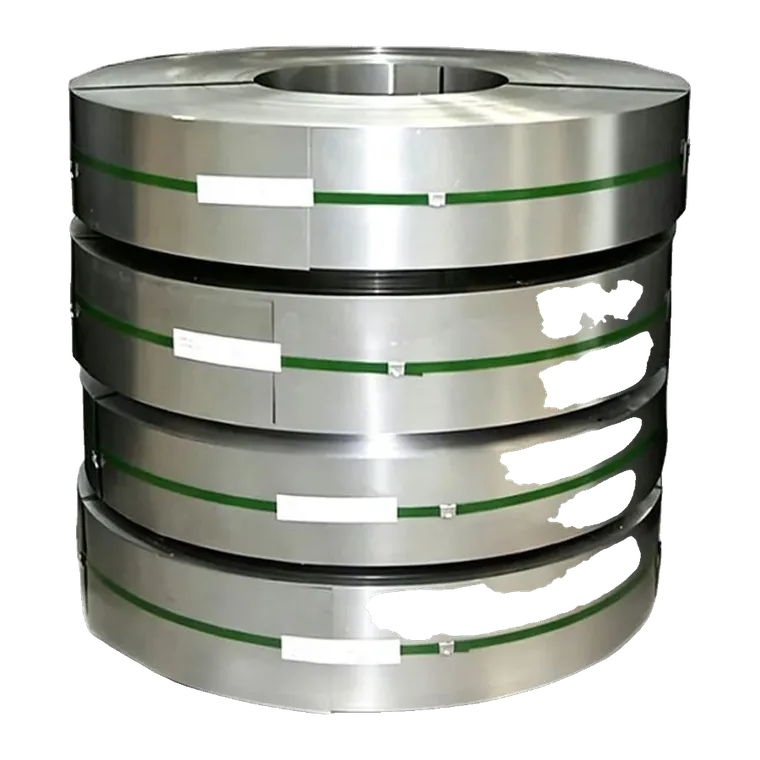
| Aluminium fin coil | Fins between the tubes | Buy coil, form fins in-house | Fin coil in 3003, 3004, 3102, 3105 |
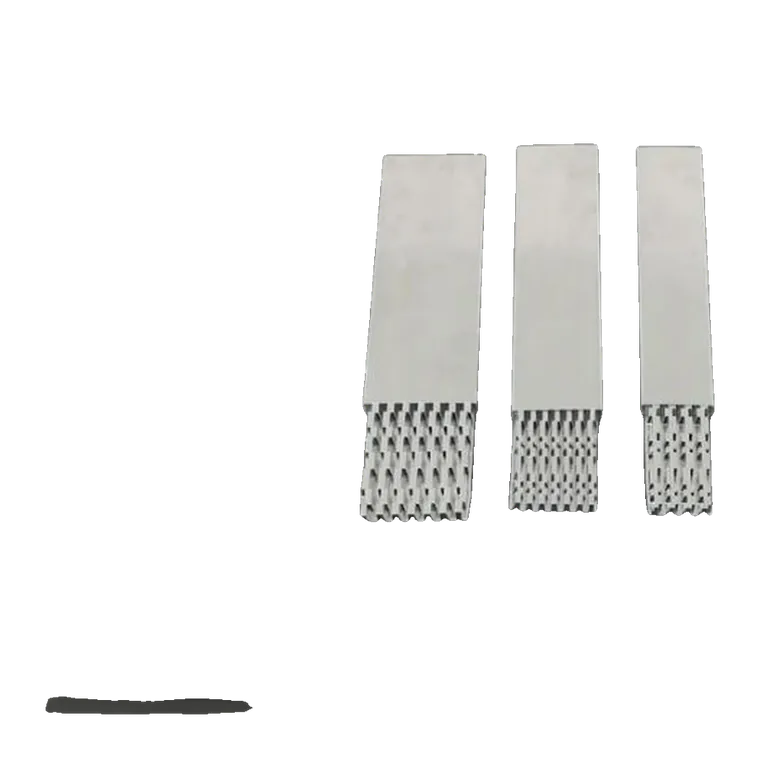
| Flat tubes | Coolant channels in the core | Buy, or make on a tube mill | Radiator flat tube, wall 0.26–0.30 mm |
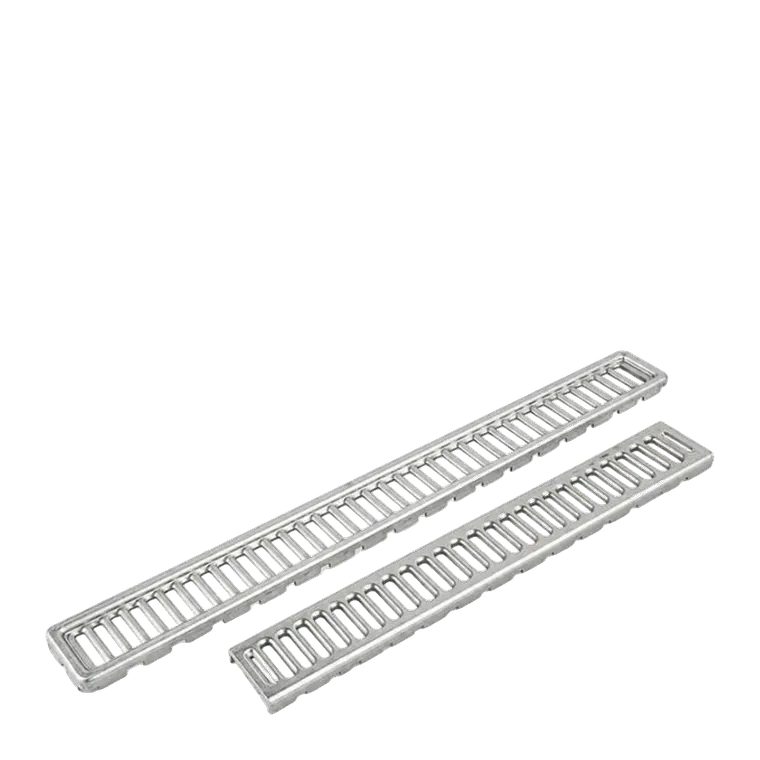
| Header plates | Hold the tube ends; tanks clinch onto them | Buy, or punch from sheet | 3003 header plates, 1.5 mm |
| Side plates | Protect and stiffen the core sides | Buy, or roll-form from sheet | Weldable 3003 sheet |
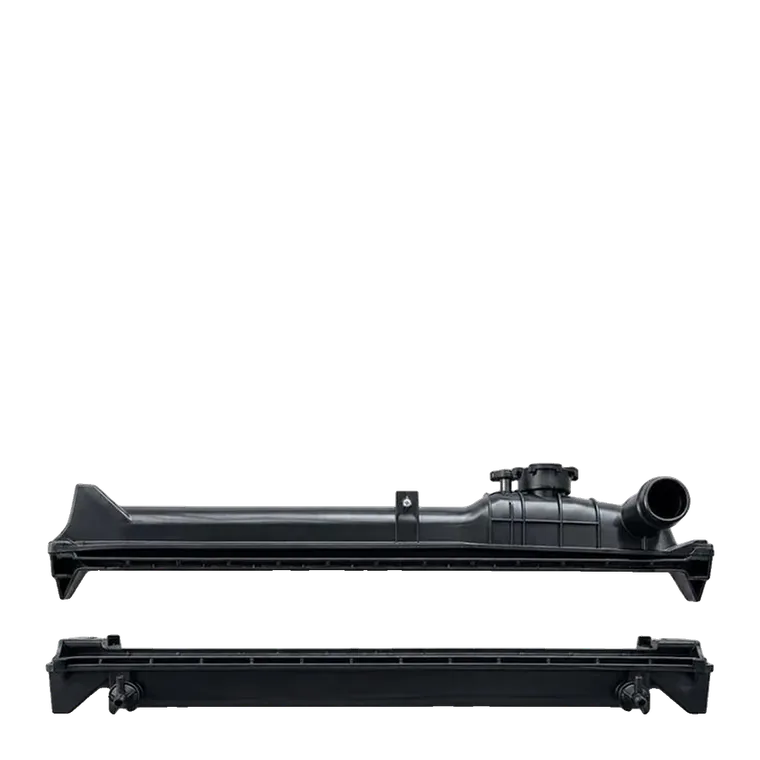
| Plastic tanks | Inlet and outlet tanks | Buy, made to your model | Plastic radiator tanks |
| Gaskets and seals | Seal the tank to the header plate | Buy | Radiator components |
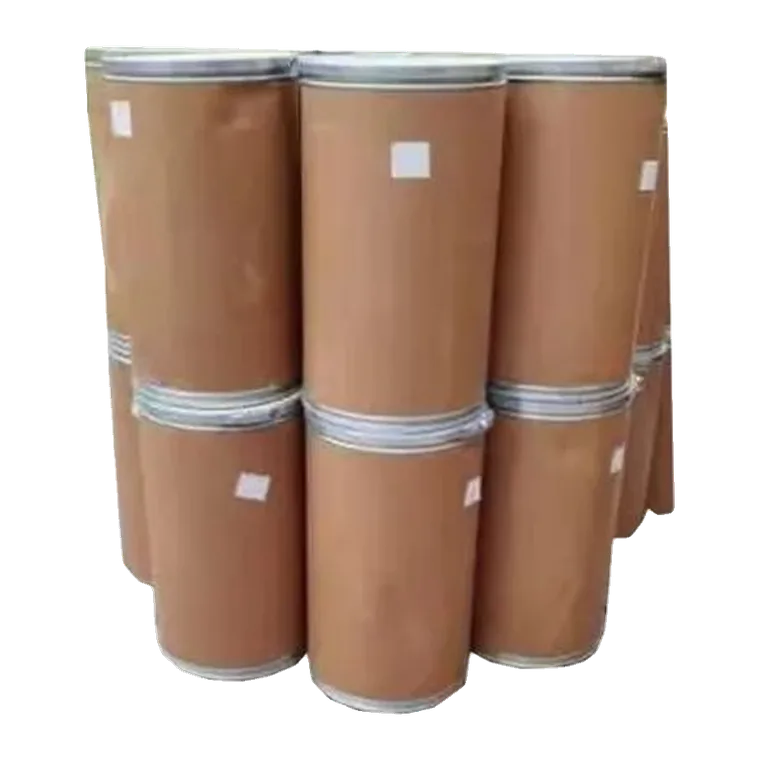
| Brazing flux | Removes oxide so the joints braze | Buy | Non-corrosive flux, 25 kg bucket |
| Process oils | Fin forming, punching, rust protection | Buy | Metal working lubricants |
Fin coil
Fins are rolled from aluminium coil slit to your fin width. Alloy and temper are chosen to suit the fin machine and the brazing process, so tell your supplier both. Our aluminium fin coil comes in 3003, 3004, 3102 and 3105, slit to width. See also fin types and how fin forming machines work.
Tubes
Car radiators mostly use welded aluminium flat tubes. Buying them ready-made is the simplest start; a flat tube mill makes sense once volume justifies it. Our radiator flat tube has a 0.26–0.30 mm wall, in 34.1 mm width and others.
Header plates and side plates
Header plates are punched with a hole for every tube and must match the tube size and the tank. Our header plates are 3003 aluminium, 1.5 mm thick, made to your drawing. If you punch your own, you buy weldable aluminium sheet and need presses and dies. Plates need cleaning before brazing; see the ultrasonic cleaning machine.
Tanks and gaskets
Plastic tanks and gaskets are clinched onto the header plate after brazing and testing. Each radiator model needs its own tank, so this is usually the longest list of part numbers in the plant. We supply plastic radiator tanks made to your model, and gaskets and seals.
Flux and oils
Non-corrosive flux is applied before the core enters the furnace. Our aluminium brazing flux melts at 525 ± 15 °C and comes in 25 kg buckets; we also supply brazing flux and wire. Fin-forming and punching oils must suit brazing, because oil left on parts causes poor joints. See our metal working lubricants.
Planning quantities
Material quantities follow your radiator models and monthly output, so we work them out from your drawings rather than a fixed list. Send us your models and target output, or plan your line online, and we will include materials in the quotation.
Frequently asked questions
Can I buy machines and materials from one supplier?
Yes. We supply the machines and the materials to run them, which helps keep fin coil, tubes and plates matched to the machines.
Which alloy is used for radiator header plates?
3003 aluminium is common. Our header plates are 3003, 1.5 mm thick.
Do I need to make my own tubes?
No. Many plants start by buying flat tubes and add a tube mill later when volume grows.