
Short answer: radiator fins add surface area for heat transfer, and their shape decides how much they disturb the airflow. Straight fins are simple; serrated, corrugated and perforated fins break up the air for better heat transfer; triangular fins are stiff and light. Most car radiator fins are made from aluminium foil 0.12–0.3 mm thick.
Five common fin types
| Fin type | Shape | Effect on airflow | Typical use |
|---|---|---|---|
| Straight | Smooth, long rectangular channels | Little disturbance, low pressure drop | General-purpose designs |
| Serrated | Channels broken into offset segments | Strong turbulence, better heat transfer | Higher-performance heat exchangers |
| Corrugated | Waves pressed into the fin | Turbulence grows with tighter, deeper waves | Wide range of radiators |
| Perforated | Flat fin with punched holes | Mixes the flow | Inlet and outlet sections, phase-change fluids |
| Triangular | Triangular profile | Rigid and light, moderate turbulence | Plate-fin heat exchangers |
Triangular fins touch the plates along a line rather than a face, so they need good brazing, and fins taller than tolerance can reduce pressure resistance.
Rolling or stamping
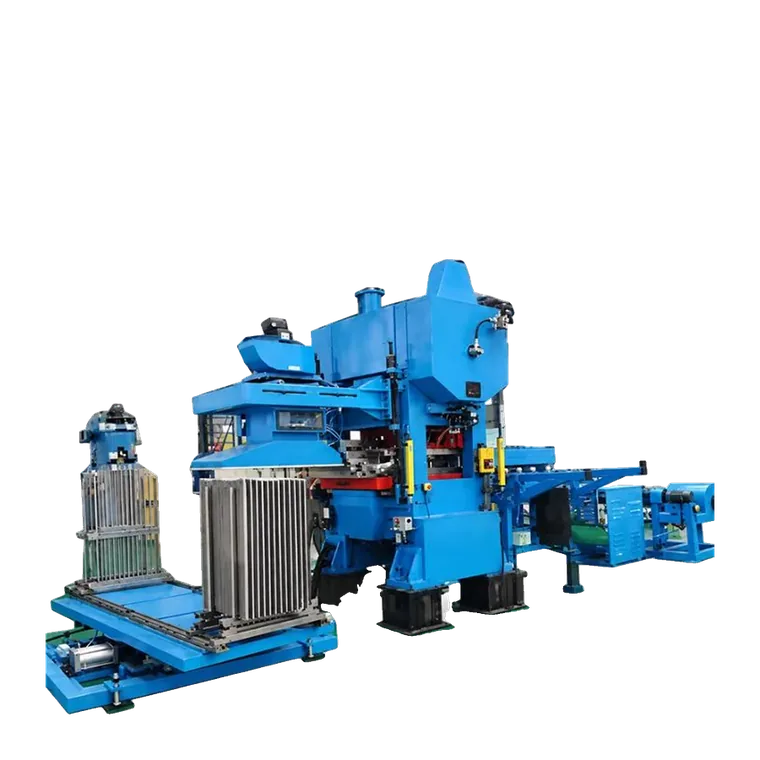
- Rolling suits lower fins with larger pitches and runs faster.
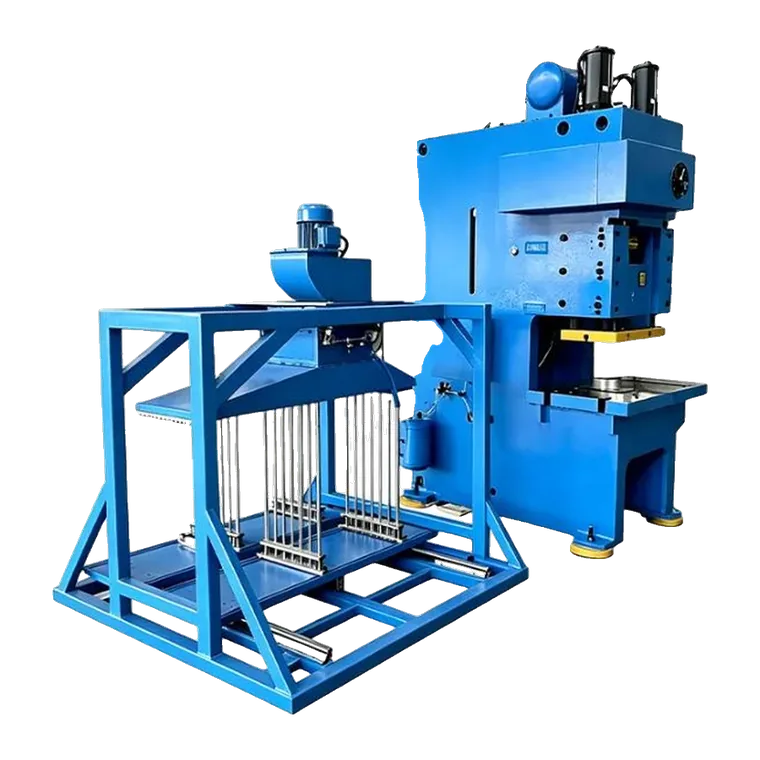
- Stamping suits taller fins with smaller pitches, at a lower output.
Fin height can be adjusted on the machine, but the pitch is set by the die or roller, so each pitch needs its own tooling.
Fin material
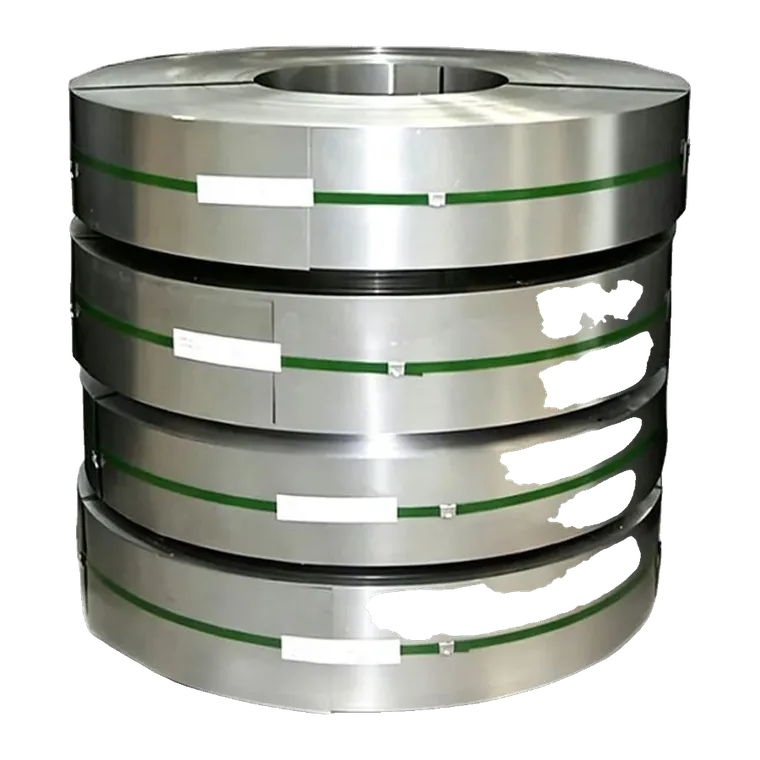
Common foil thicknesses for radiator fins are 0.12, 0.15, 0.17, 0.2 and 0.3 mm. Thinner foil saves weight and material but needs more precise tooling and steadier feeding. We supply aluminium fin coil in alloys 3003, 3004, 3102 and 3105, slit to your fin width.
Machines for each fin
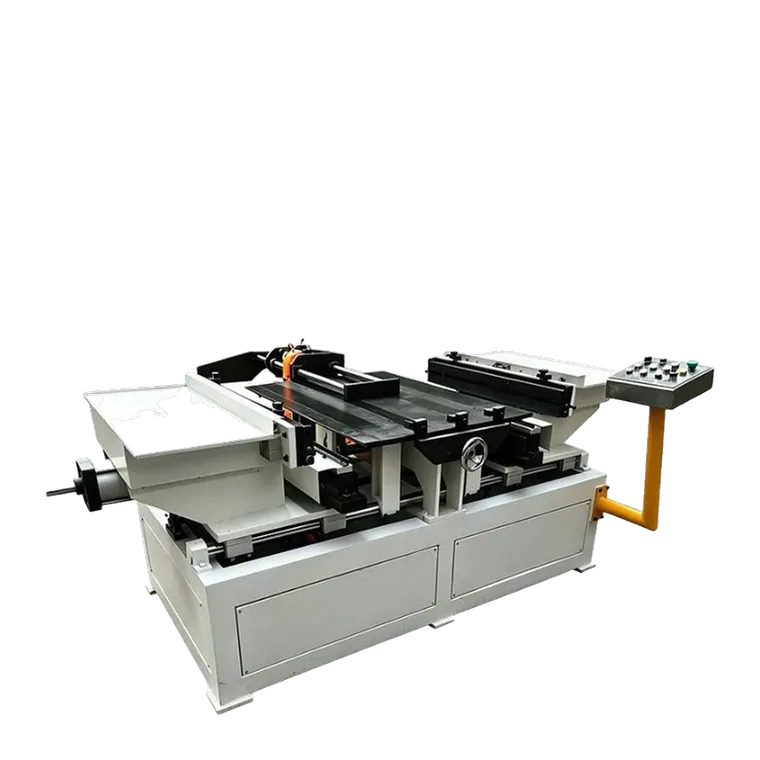
See our fin forming machines, including the 630 kN high-speed machine and the high-speed fin press, or read how a fin forming machine works. In a complete radiator production line the fin line feeds core assembly directly.
Frequently asked questions
Which aluminium thicknesses are used for radiator fins?
Most often 0.12, 0.15, 0.17, 0.2 and 0.3 mm.
What is the difference between rolled and stamped fins?
Rolling is faster and suits lower fins with larger pitches. Stamping suits taller fins with smaller pitches but runs slower.
Can one machine make several fin pitches?
Only with different dies or rollers. Fin height is adjustable, but each pitch needs its own tooling.