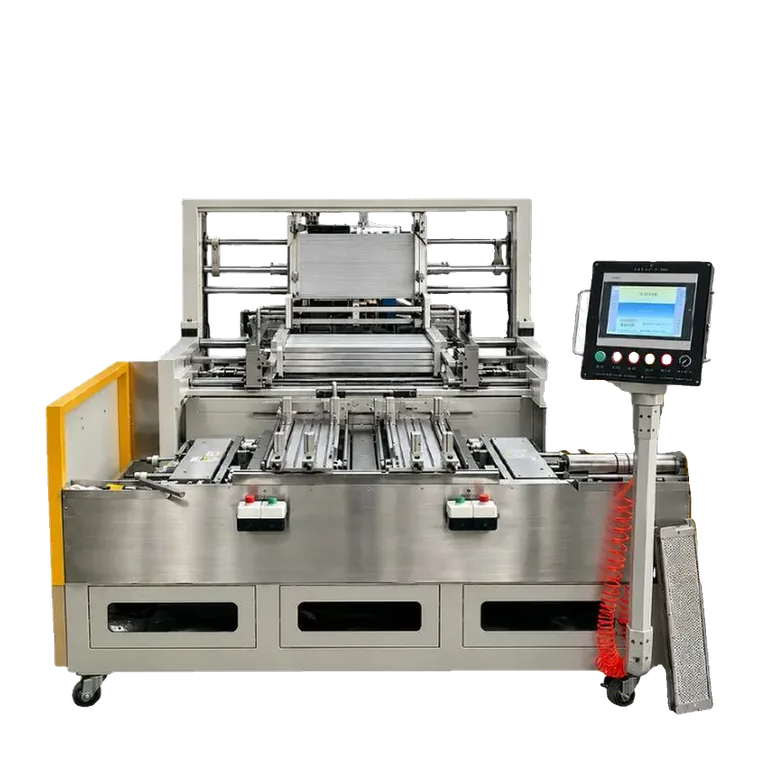

Aluminium car radiator plant
A radiator is built from four parts: header plates, side plates, flat tubes and fins. Each part has its own line. Header plates and side plates are washed; tubes and fins go straight to core assembly, where all four parts meet and continue as one main line through brazing, clinching, testing and packing. Standard configuration for around 20,000 radiators a month, for cars and trucks. 25 machines plus dies made to your models; every quantity can be changed in the builder.
 Air2 machinesSupplies air to the machines on every line
Part lines
- 01
Header plate line
Header plates are blanked, pierced and flanged on presses. The press size depends on the plate: 200 t for truck and large plates, 110 t for car plates, 60 t for small plates. Choose the presses for your header plates here.
Choose machines for this station in the line builder →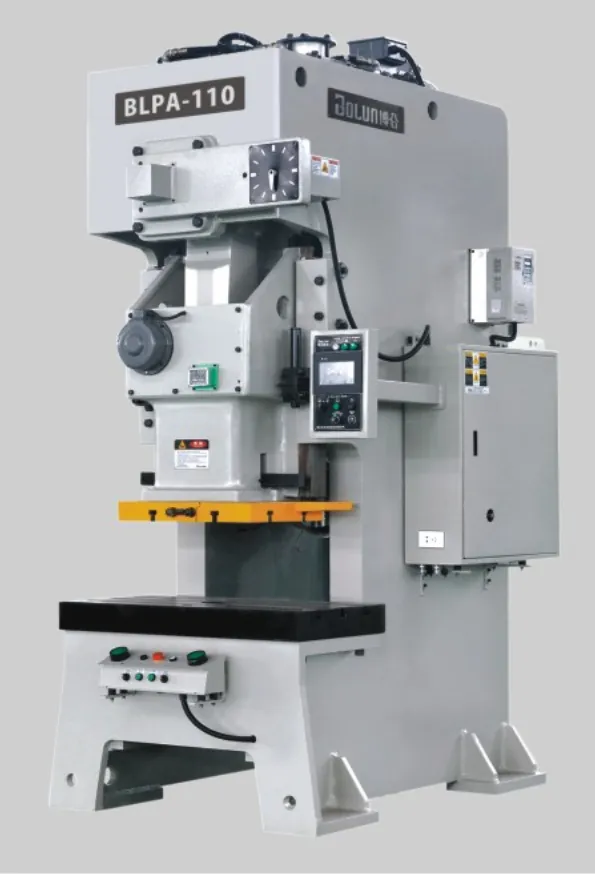 200 t pneumatic pressBLPA-200 · × 1110 t pneumatic pressBLPA-110 · × 2
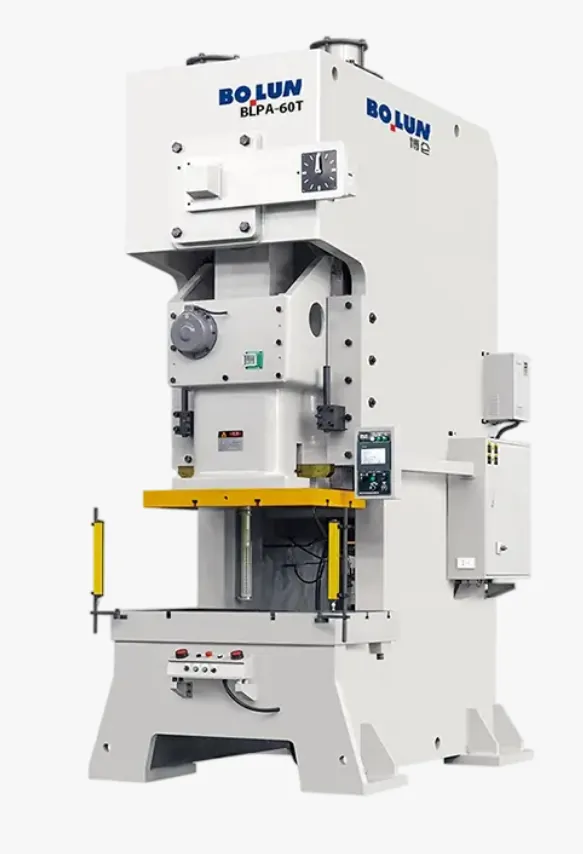 60 t pneumatic pressBLPA-60 · optionalHeader and side plate diesTo your models · × 10
- 02
Side plate line
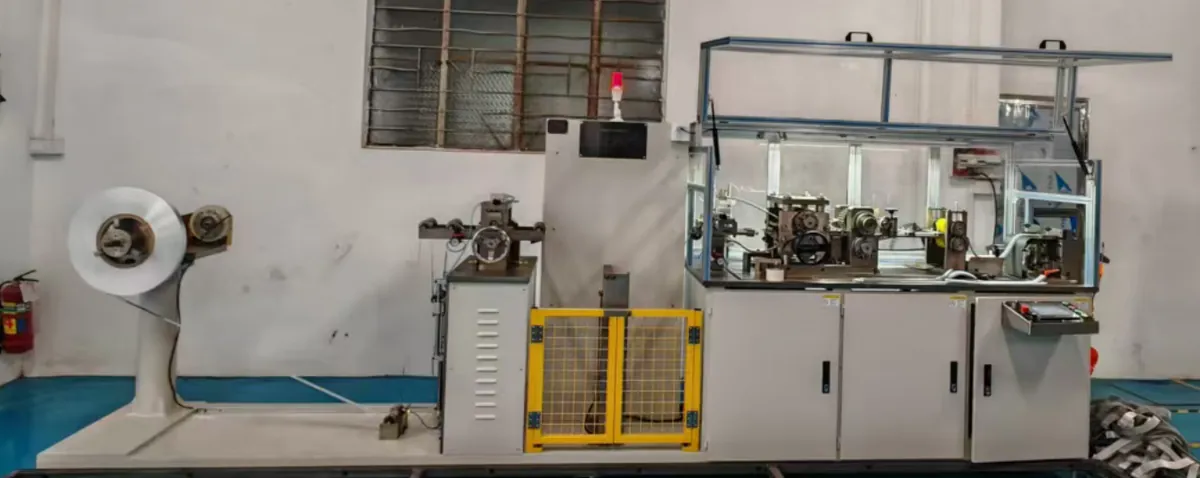
Side plates hold the core together at both edges. The roll former makes standard 16 and 26 mm side plates from coil; other sizes are stamped on their own press. Choose the presses for your side plates here.
Choose machines for this station in the line builder →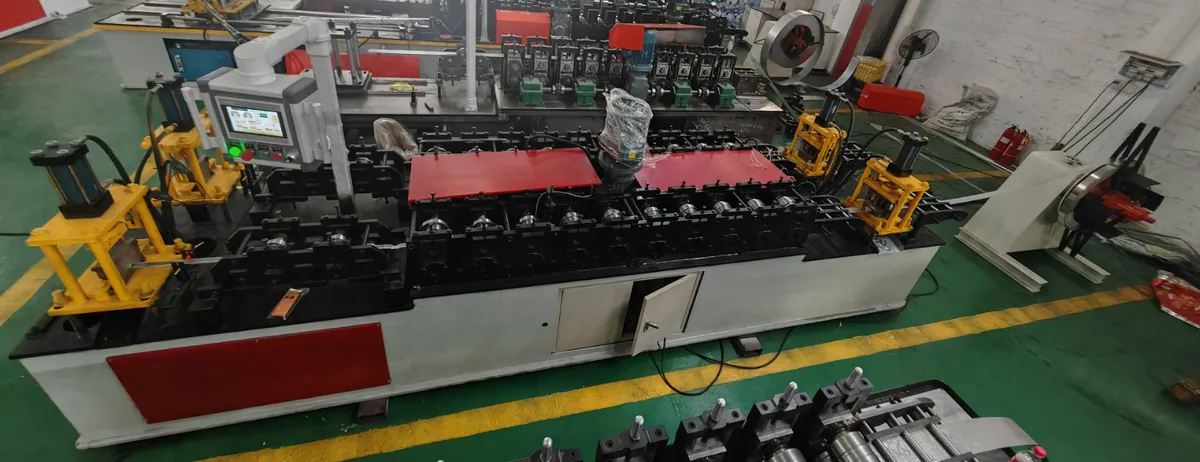 Side plate roll forming machineSP-16-26 · × 160 t pneumatic pressBLPA-60 · × 1110 t pneumatic pressBLPA-110 · optional
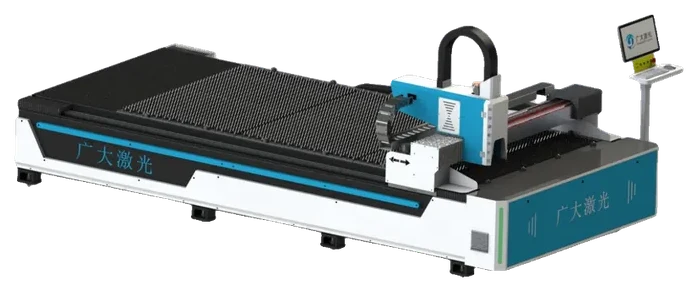 Fibre laser cutting machineGD-3015 · × 1
- 03
Flat tube line
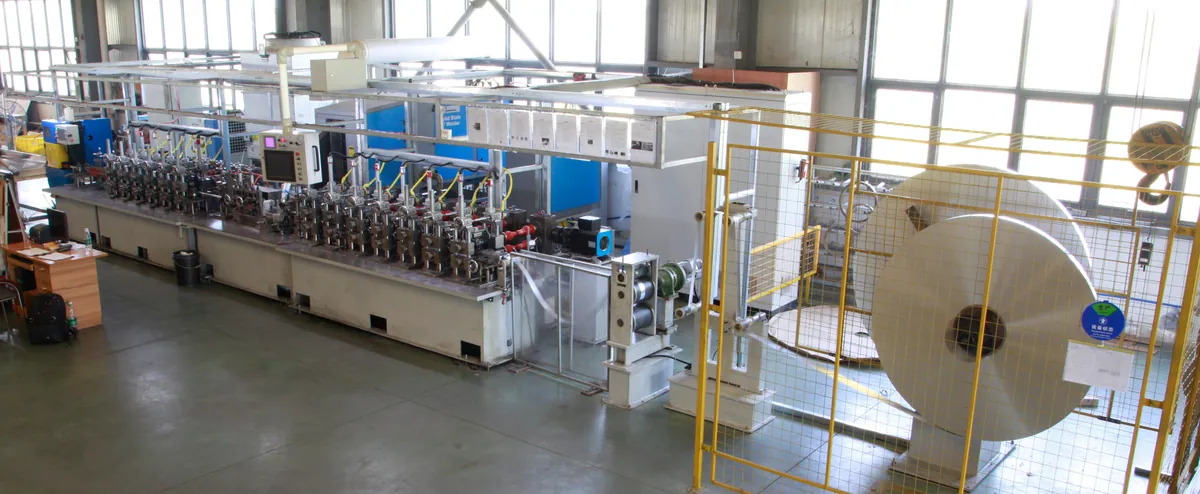
Flat tubes are welded from aluminium strip and cut to length. Skip this if you buy tubes.
Choose machines for this station in the line builder → - 04
Fin line
Aluminium coil is formed into the wavy fin strip that sits between the tubes.
Choose machines for this station in the line builder → Plate cleaning
- 05
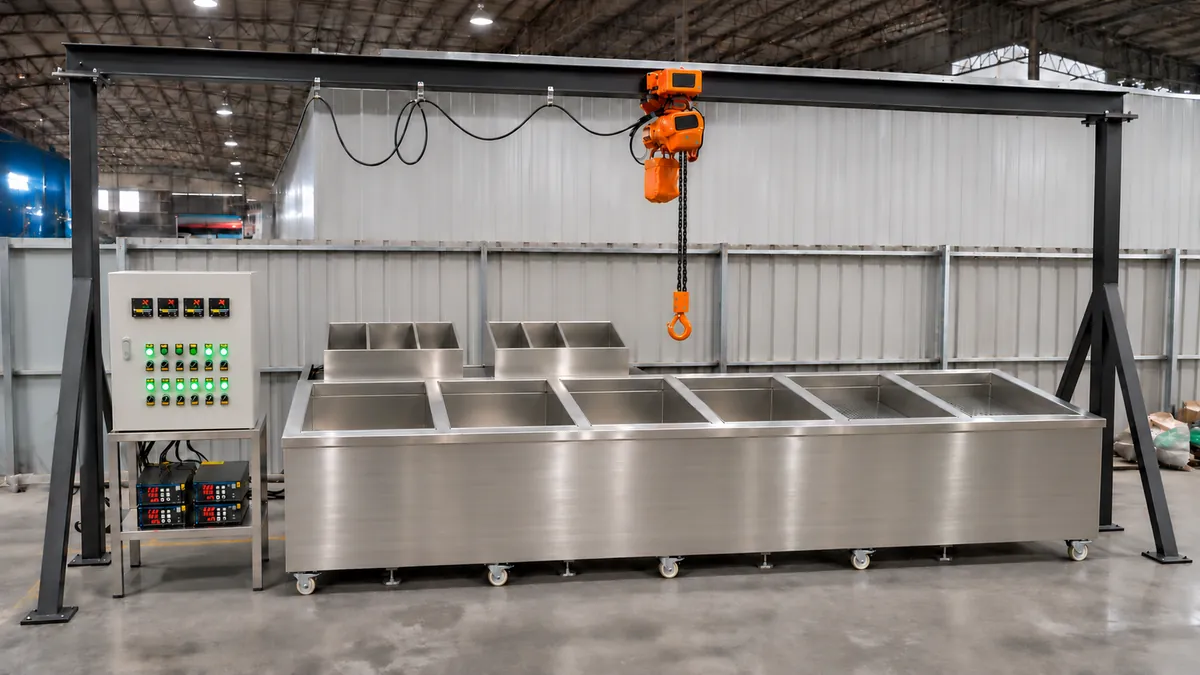
Plate cleaning
Header plates and side plates are washed before assembly so the brazed joints come out clean and sound. Tubes and fins do not need washing and go straight to core assembly.
Choose machines for this station in the line builder → Main line
- 06
Core assembly
This is where the four parts meet: clean header plates and side plates, flat tubes and fins are built into a core. Choose semi-automatic, automatic or a mix.
Choose machines for this station in the line builder →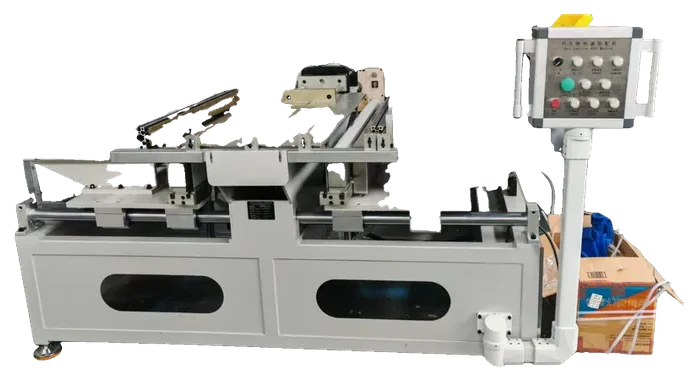 Semi-automatic core builderSH850-900-2 · × 4
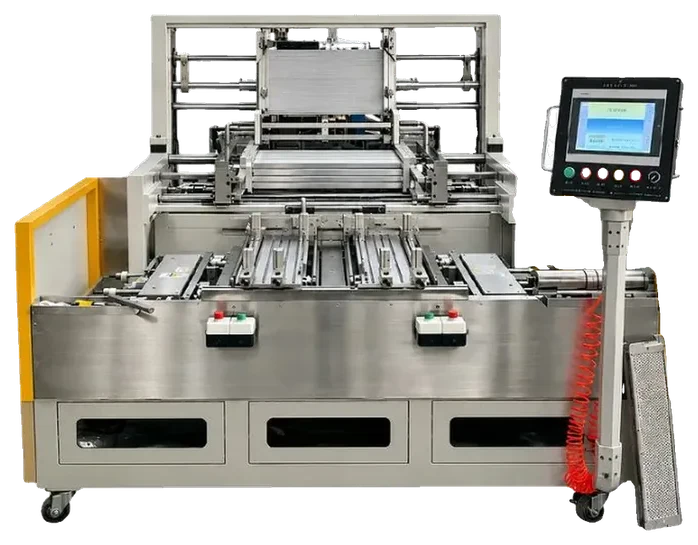 Automatic core builder with tube magazineServo, tube magazine · optional
- 07
Brazing
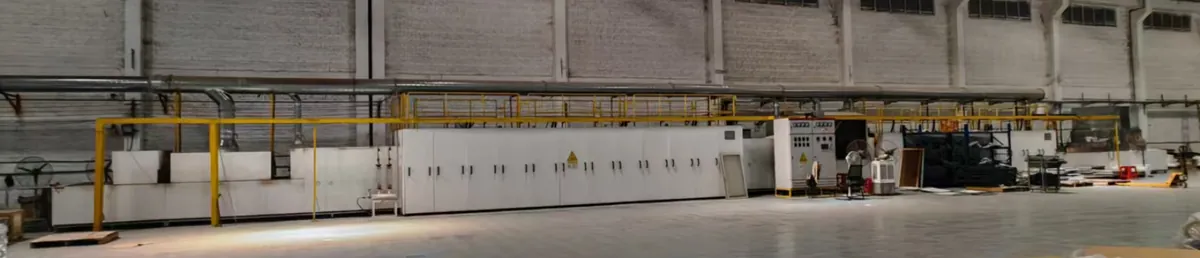
Cores pass through flux spray, drying and the nitrogen furnace, where every joint is brazed in one pass.
Choose machines for this station in the line builder → - 08
Tank clinching
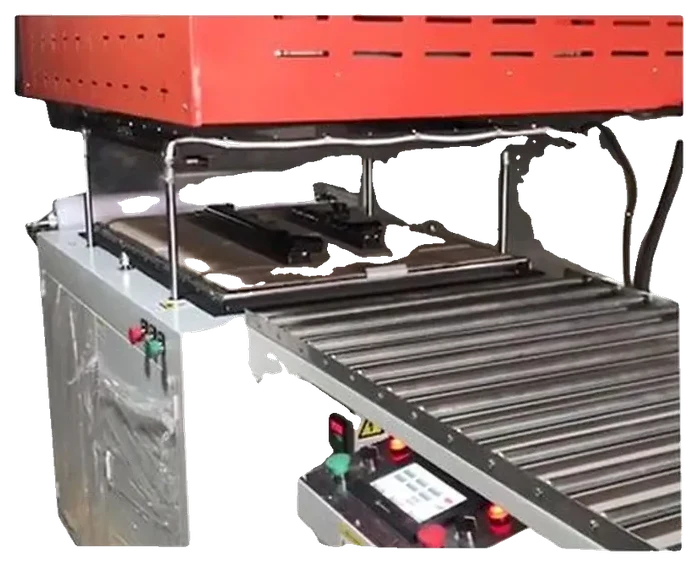
Plastic tanks and gaskets are clinched onto the brazed core. This is what turns a core into a radiator.
Choose machines for this station in the line builder →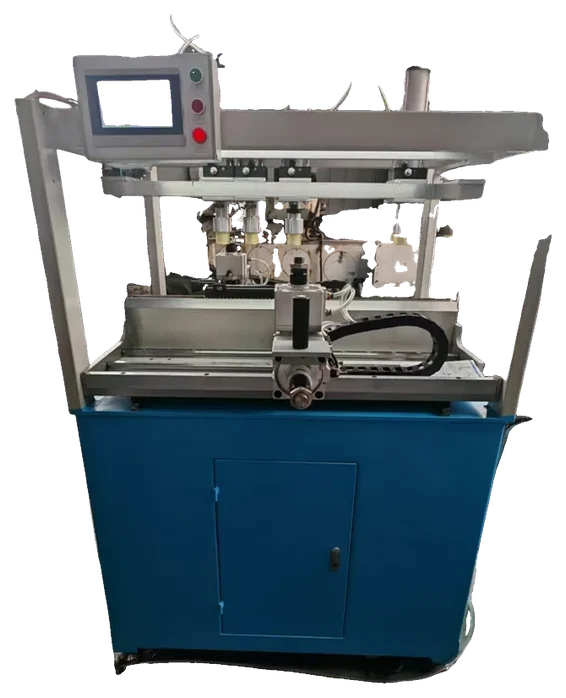 Semi-automatic tank clinching machinePneumatic, 4 cylinders · × 2
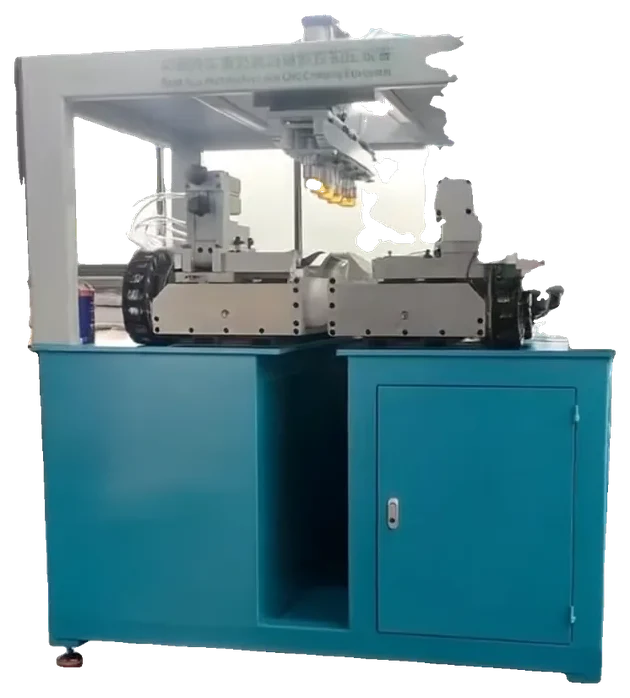 Automatic 4-side clinching machine4 servo axes · × 2
- 09
Leak testing
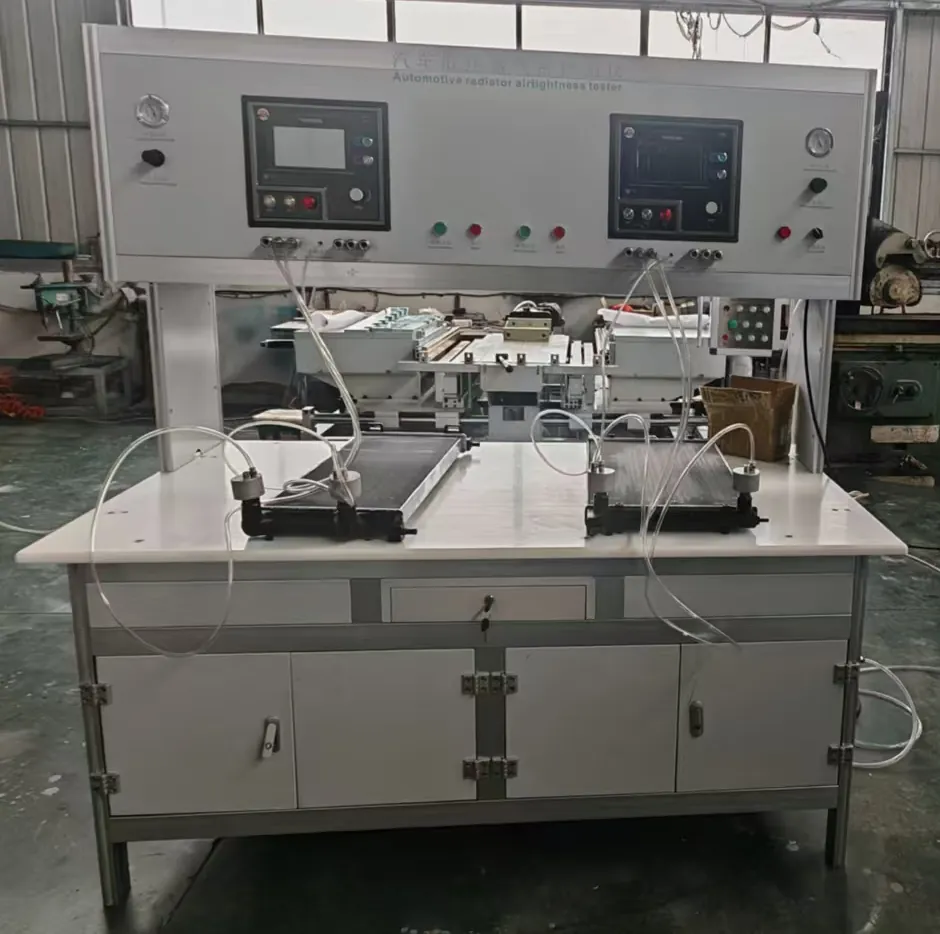
Every radiator is pressure tested before it is packed.
Choose machines for this station in the line builder → - 10
Packing
Finished radiators are blister packed for shipping.
Choose machines for this station in the line builder → Utilities
- 11
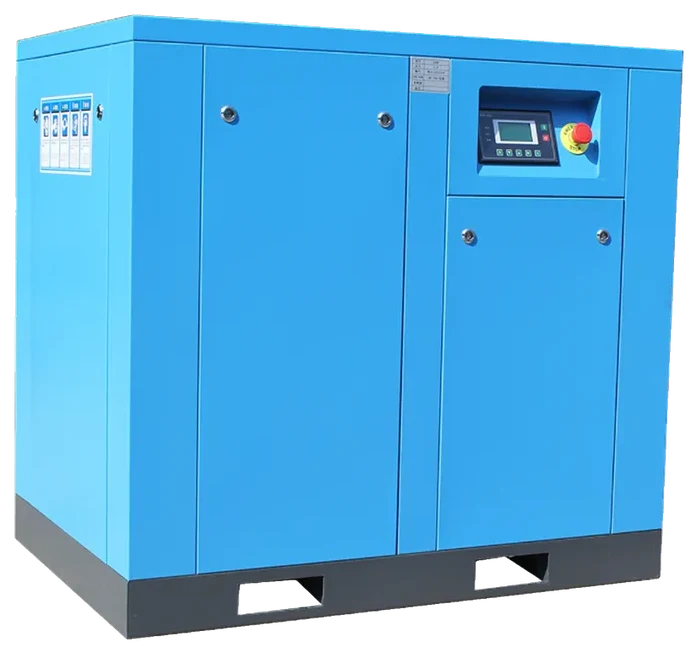
Compressed air
Not a step on the line: compressors feed air to the presses, fin machines, core builders, clinching machines and testers. Add identical units for more machines or a standby.
Choose machines for this station in the line builder →Variable-speed screw compressor, 37 kWPermanent-magnet VSD · × 1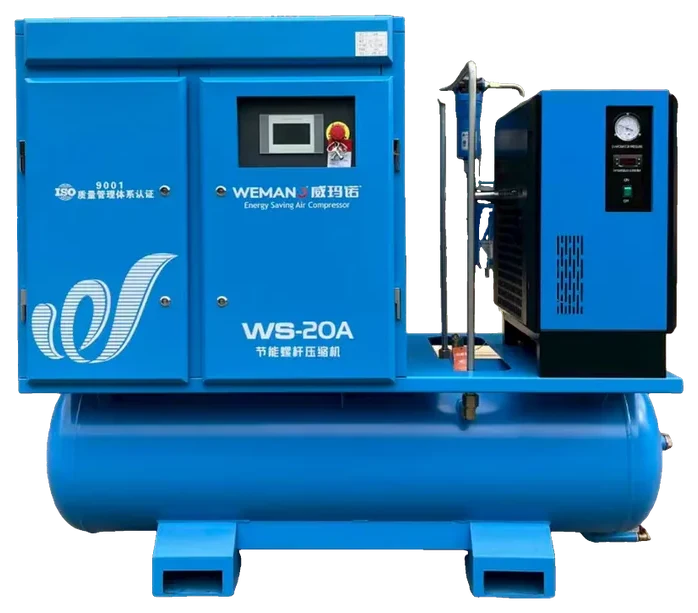 All-in-one screw compressor, 15 kWWS-20A · × 1
Usually bought locally
Most plants source these near the factory. We can quote them on request.
Radiator production line questions
What machines do I need to make aluminium car radiators?
A radiator is built from header plates, side plates, flat tubes and fins, so a plant has four part lines: presses and dies for header plates; a side plate roll former, press and laser cutter for side plates; a high-frequency welded tube mill for flat tubes; and fin forming machines for fins. They feed one main line: core assembly, a nitrogen-protected brazing furnace, tank clinching, leak testing and vacuum packing. Air compressors supply every pneumatic machine.
How many radiators a month does the standard plant make?
Our standard configuration is sized for around 20,000 radiators a month, for cars and trucks. Quantities change with your radiator models and output, and our engineers confirm the final configuration with your drawings.
Which parts have to be cleaned before brazing?
Only the header plates and side plates go through the ultrasonic cleaning line. Flat tubes and fins go straight to core assembly.
What is the laser cutter in a radiator plant used for?
It cuts raw material to size so less aluminium is wasted. It is not used to cut small parts or to replace dies.
How do you choose the press tonnage?
Press tonnage depends on the radiator model and the size of the plate. A 200-ton press handles truck and other large plates; 110-ton and 60-ton presses cover most car radiator plates.
Can I buy only some of the machines?
Yes. Skip any station you already have in the line builder, or pick single machines.
Do you install the line and train our operators?
Yes. Our technicians assemble, wire and calibrate the machines at your plant, synchronise the line, train your operators and support your first production batch.
Which equipment is usually bought locally?
Items such as nitrogen tanks, nitrogen vaporizers, press brakes and welding machines are usually sourced near the plant. We can quote them on request.
Make it your plant
Change any quantity, skip what you already have, and send it to our engineers for a layout and quotation.